Best Winter & Summer Weather Windows for India (For USA Tourists)

taj mahal tour package travel connection agency

Planning a trip to India from the United States is exciting — but also overwhelming, especially when it comes to picking the best travel season. India is nearly the size of the U.S., with climates ranging from tropical beaches to snowy mountains. This means the weather you experience depends entirely on when and where you travel.

For example:

  • January in Delhi is cool and perfect for sightseeing.
  • January in the Himalayas means snow-covered peaks.
  • January in Goa means warm beaches.
  • January in central India may still be dry and pleasant.

Meanwhile, April in the plains can be extremely hot, but April in the mountains is paradise.

This guide breaks down India’s best winter and summer weather windows, specifically for USA tourists, so you can plan the most comfortable, safe, and memorable trip in 2025 and beyond.

India’s Weather vs. USA Travelers’ Favorites

✔ Best Time to Visit Most of India

October to March

✔ Best Winter Window

December to February

✔ Best Summer Window (ONLY for Mountains)

April to June

✔ Avoid Months (for most regions)

June to September (Monsoon)

WINTER WEATHER WINDOW (DECEMBER – FEBRUARY)

The Best Time for Most US Tourists

Winter is peak season for Americans traveling to India, and for good reason. These months offer cool temperatures, low humidity, clear skies, and comfortable weather across almost 80% of the country.

🌡 Typical Winter Temperatures in India

  • North India: 45–75°F (7–24°C)
  • West India: 60–80°F (16–27°C)
  • South India: 70–90°F (21–32°C)

This range is ideal for walking tours, exploring historical sites, photography, food tours, shopping, and cultural experiences.

Where Winter is the Best Time to Visit

taj mahal tour package travel connection agency

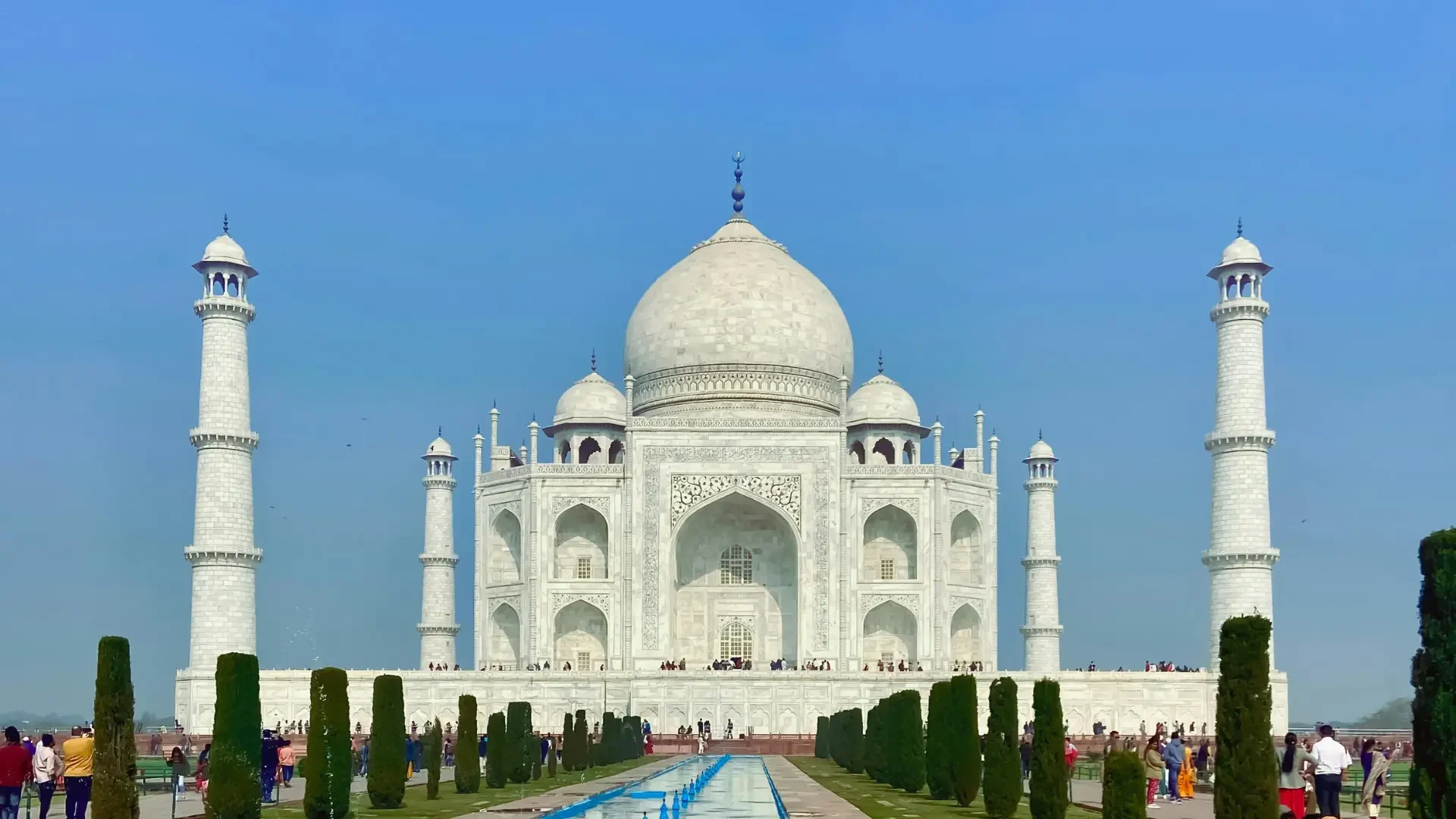
North India (Golden Triangle: Delhi, Agra, Jaipur)
This is the most popular region for first-time American travelers.

Why winter is perfect:

  • Comfortable temperatures
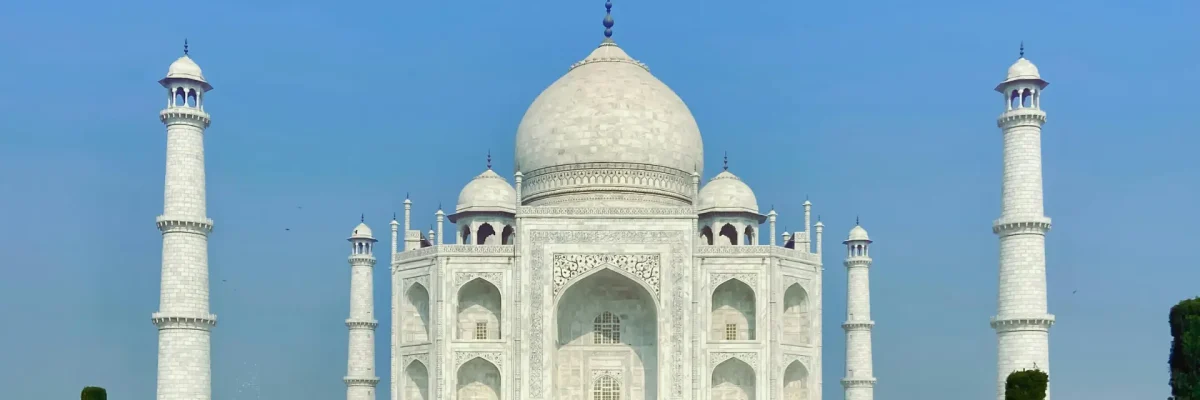
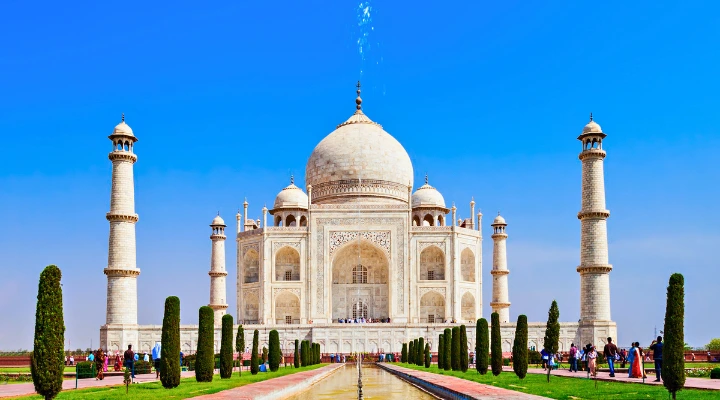
  • Best visibility at the Taj Mahal
  • Festive atmosphere
  • No heatwaves
  • Best time for exploring forts, palaces, and markets

Top experiences:

  • Sunrise at Taj Mahal
  • Elephant village visit in Jaipur
  • Old Delhi food walk
  • Amber Fort light show
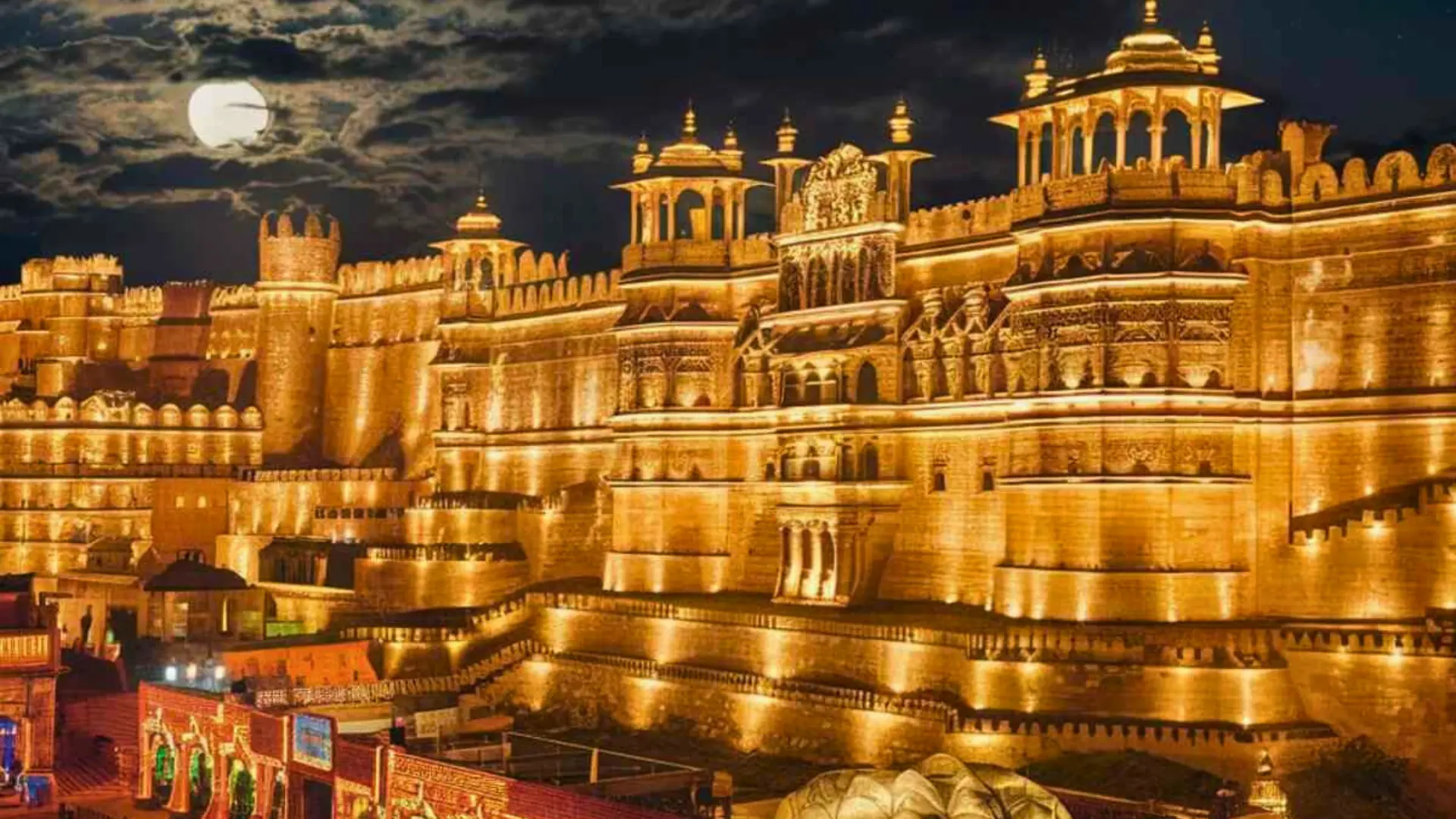
amber fort | Rajasthan tour

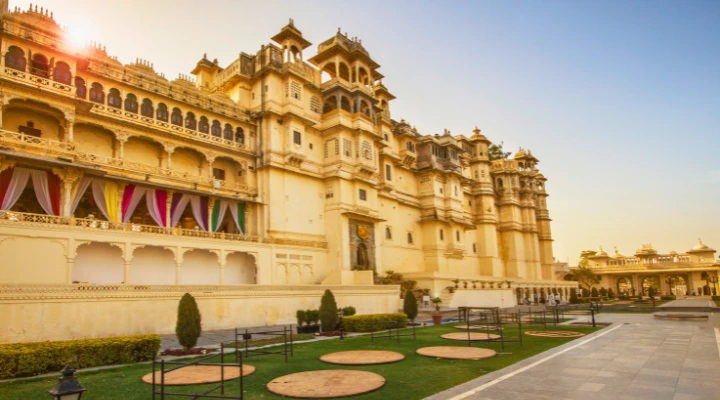
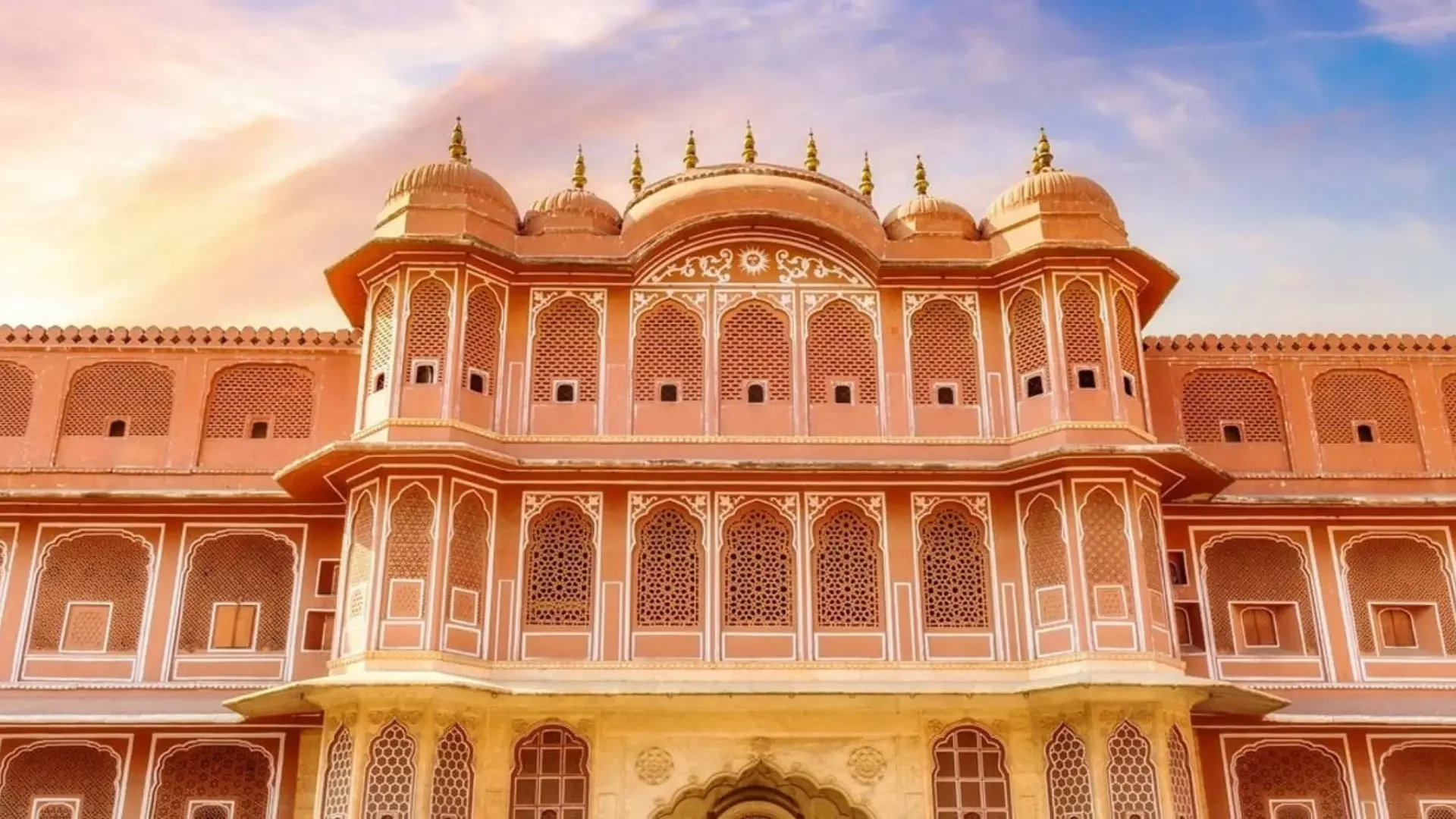
Rajasthan (Jodhpur, Udaipur, Jaisalmer)
Rajasthan is extremely hot for most of the year, but winter transforms it into the perfect travel destination.

Winter highlights:

  • Desert safaris in Jaisalmer
  • Udaipur’s lake views
  • Jodhpur’s blue city charm
  • Camel rides
  • Royal palaces and heritage hotels

Temperatures stay mild and comfortable throughout the da

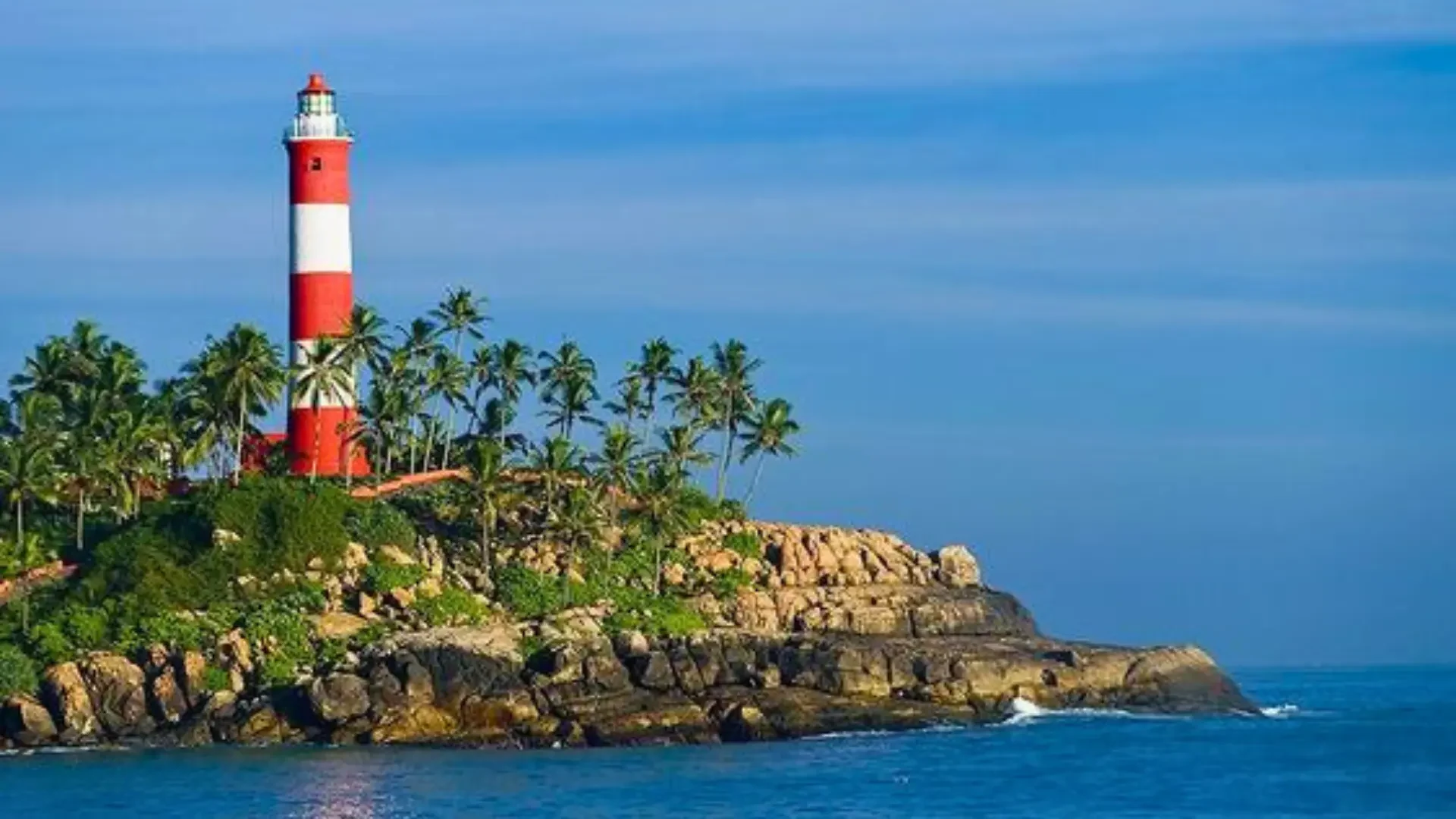
kovalam beach | kerala tour guide

South India (Kerala, Tamil Nadu, Karnataka)
Winter is the best season for South India because the monsoon has just ended.

Perfect for:

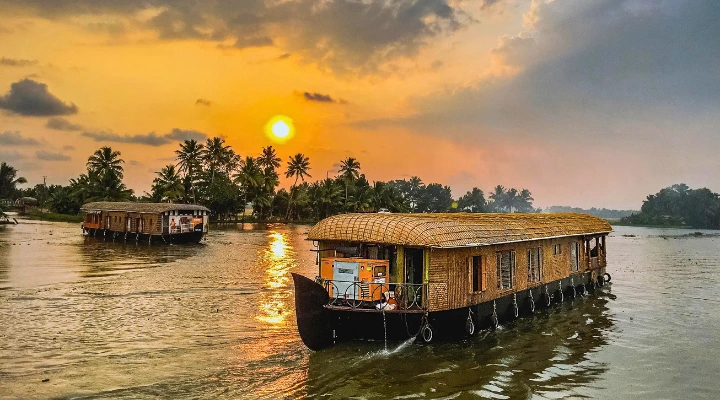
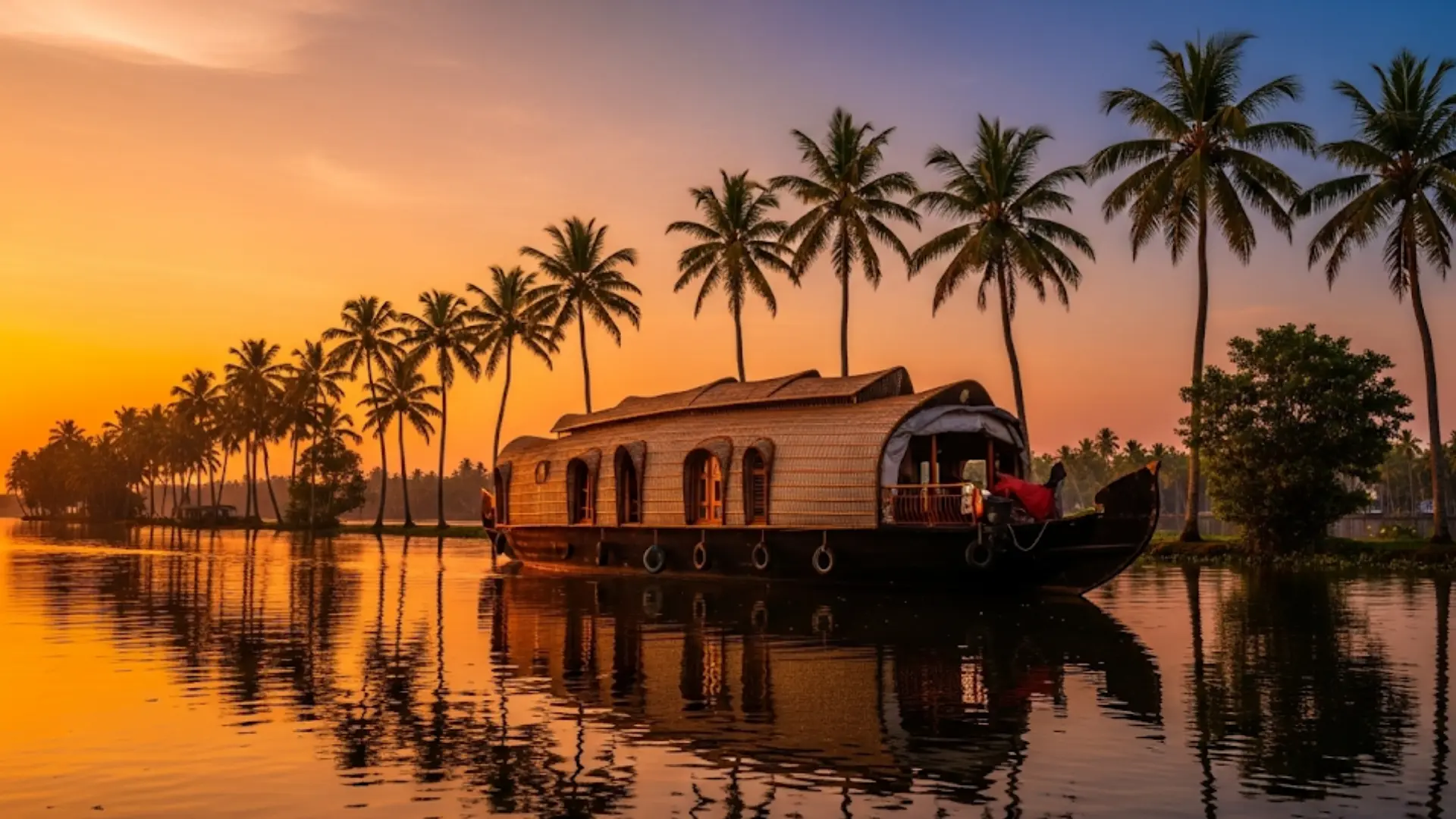
  • Backwater houseboats
  • Ayurvedic massages
  • Beaches & lagoons
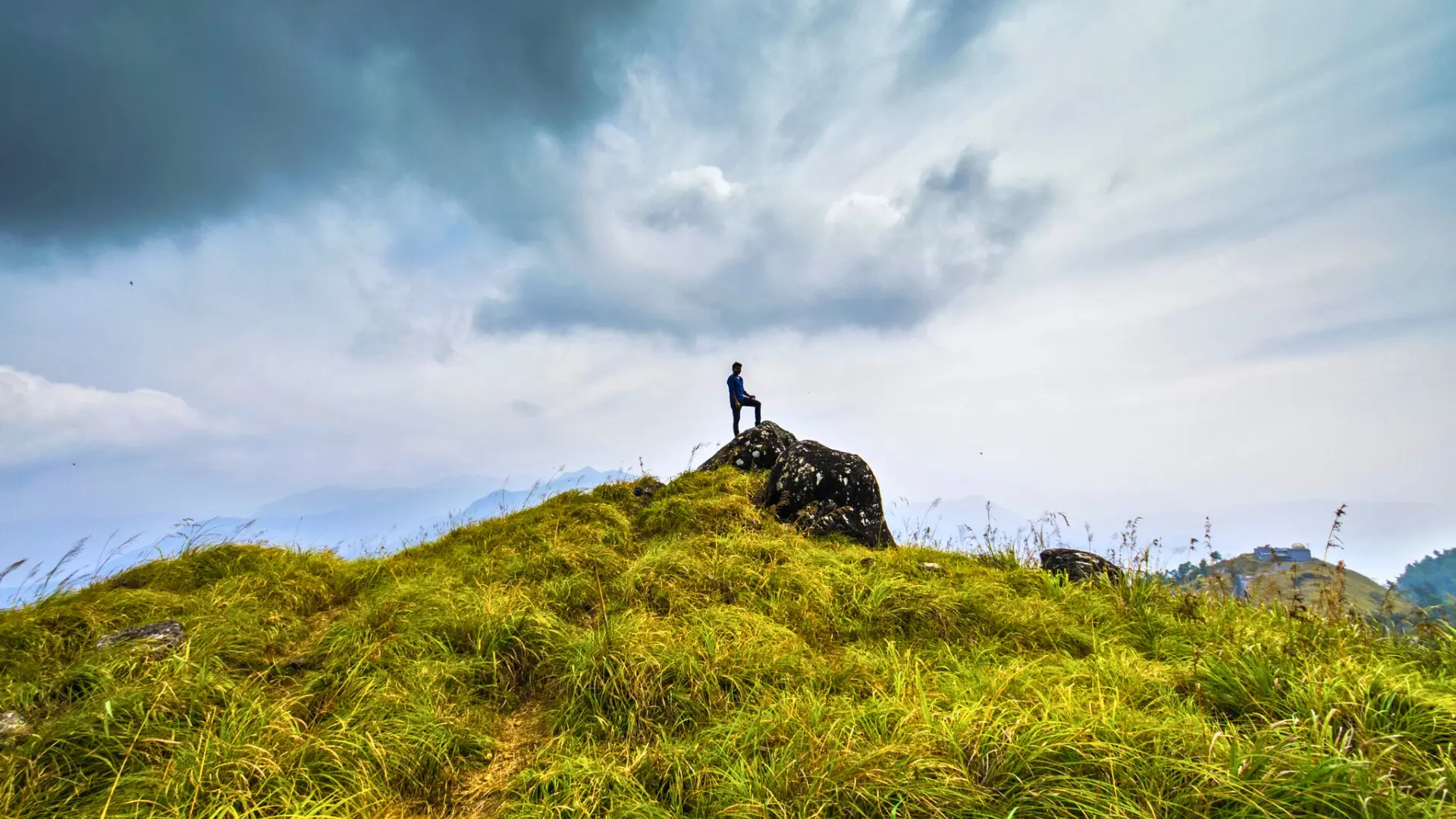
  • Tea gardens in Munnar
  • Wildlife sanctuaries

Temperature:
Warm but pleasant, great for Americans escaping harsh winter weather back home.

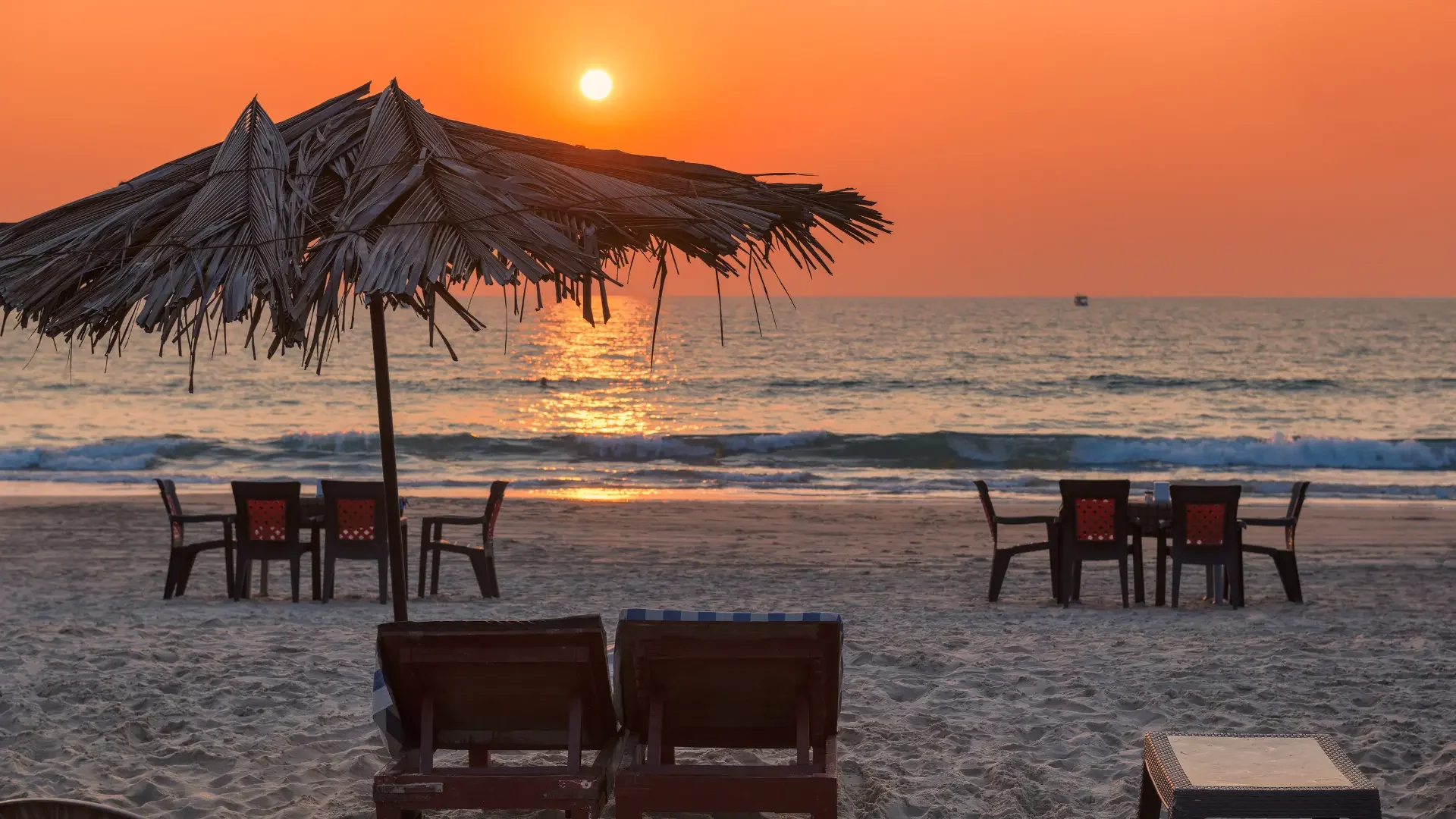
goa tour plan

West India (Mumbai, Goa, Gujarat)

Winter is the only season when humidity drops, making sightseeing and beach trips enjoyable.

Best experiences:

  • Goa beaches
  • Mumbai street food
  • Festivals & nightlife
  • Gir National Park (Asiatic lions)

SUMMER WEATHER WINDOW (APRIL – JUNE)

The Best Time ONLY for Himalayan States

If you’re planning to travel between April and June, you must choose India’s mountain regions.
The rest of India becomes very hot — often reaching extreme temperatures.

🌡 Summer Temperatures

  • Metro cities: 95–110°F (35–44°C)
  • Desert regions: 100–115°F (38–46°C)
  • South India: Very humid
  • Himalayas: 50–75°F (10–24°C)** → PERFECT SEASON**

So for Americans traveling in summer – the mountains are your best friend.

Need a custom India itinerary? Contact Team

MONSOON SEASON (JUNE – SEPTEMBER)

Should US Tourists Avoid It?

Mostly YES — unless you have specific interests.

Why monsoon is difficult:

  • Heavy rainfall
  • Flight/road delays
  • Flood-prone zones
  • Muddy outdoor conditions
  • Low visibility for photography

Where monsoon is still worth visiting:

  • Kerala (lush backwaters, waterfalls)
  • Munnar & Wayanad (misty tea hills)
  • Coorg (monsoon forests)

Monsoon is magical but not ideal for first-time US travelers.

Region
Best Season
Months
Why
Delhi, Agra, Jaipur
Winter
Oct–Mar
Best for sightseeing
Rajasthan
Winter
Nov–Feb
Desert tours & heritage
Mumbai
Winter
Nov–Feb
Mild & dry
Kerala
Winter
Nov–Mar
Backwaters & wellness
Himachal
Summer
Mar–Jun
Cool mountains

Need a custom itinerary? Contact Team

How Weather Affects the Type of Trip You Choose

Winter Trips (Dec–Feb) → Cultural & City Experiences

Perfect for:

  • Golden Triangle (Delhi–Agra–Jaipur)
  • Rajasthan palaces
  • South India beaches
  • Food walks
  • Wildlife safaris

Best Photo Opportunities

Winter

  • Taj Mahal clear sunrise
  • Rajasthan desert sunsets
  • Kerala backwaters
  • Goa’s beaches
  • Mumbai skyline

Summer Trips (Apr–Jun) → Mountain & Nature Experiences

Perfect for:

  • Kashmir meadows
  • Himalayan treks
  • Scenic rivers and lakes
  • Peaceful hill stations

Best Photo Opportunities

Summer

  • Kashmir meadows
  • Tulip Garden (April)
  • Ladakh lakes
  • Snow-capped mountain views

Why Choose Travel Connection for Your Next Trip?

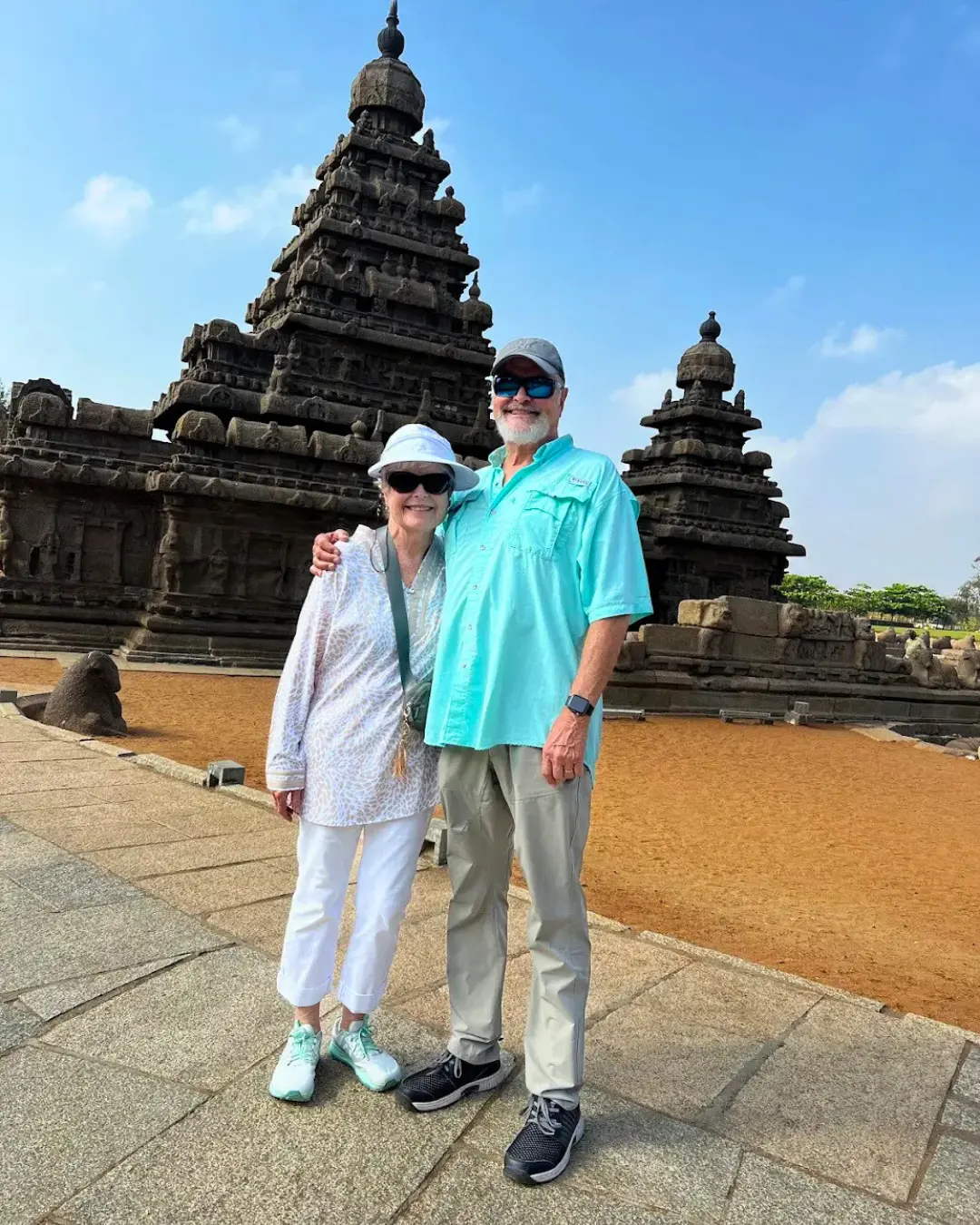
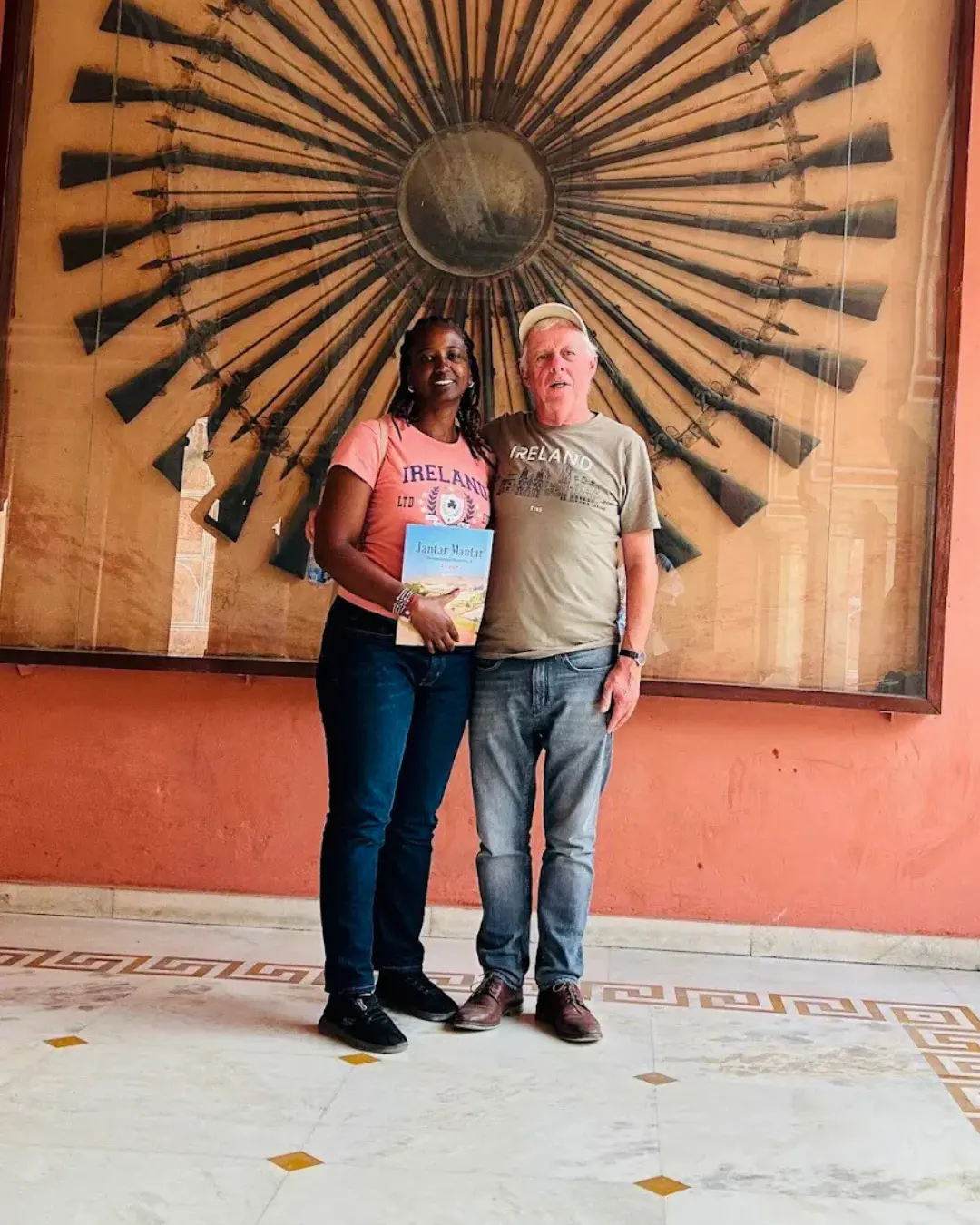
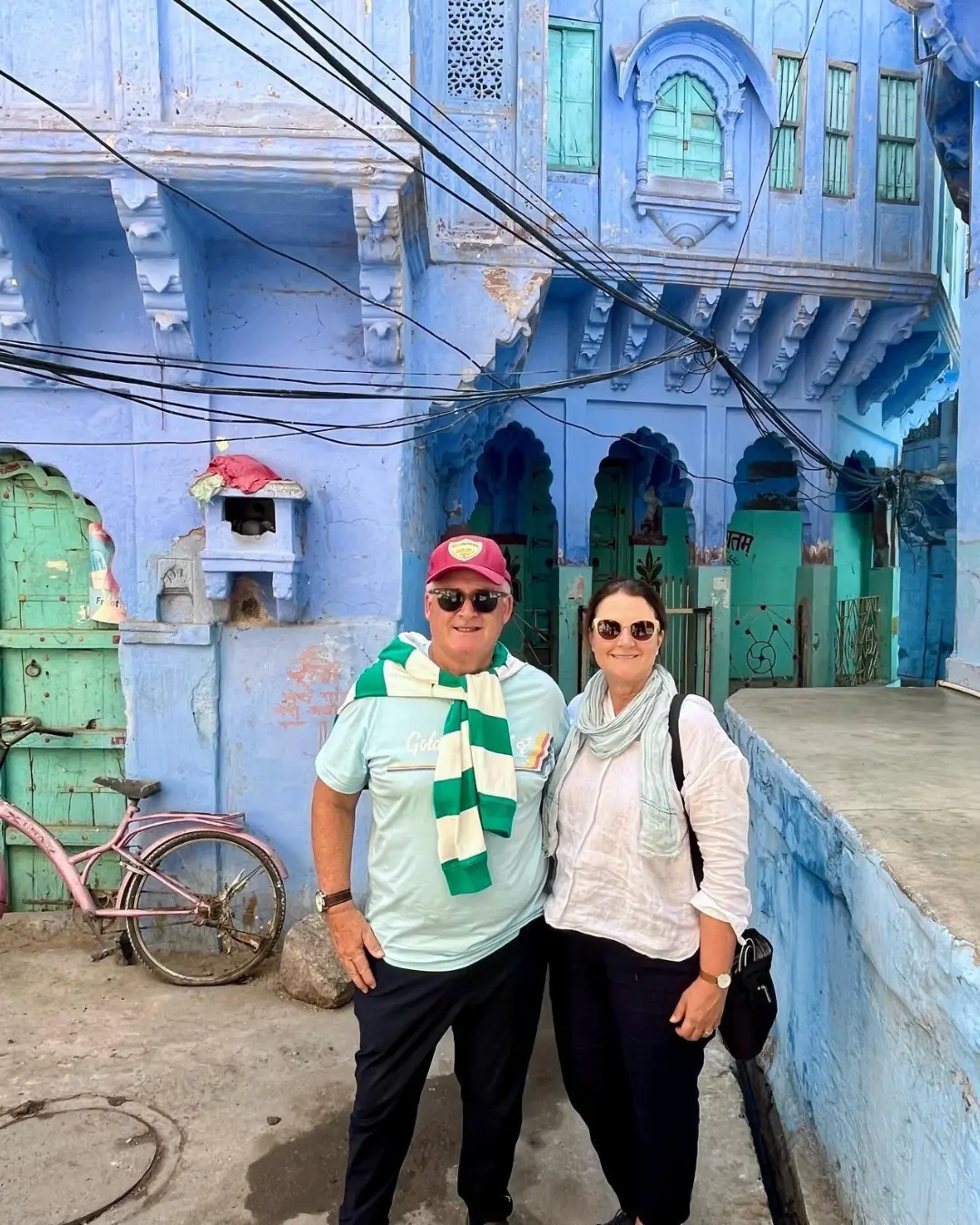
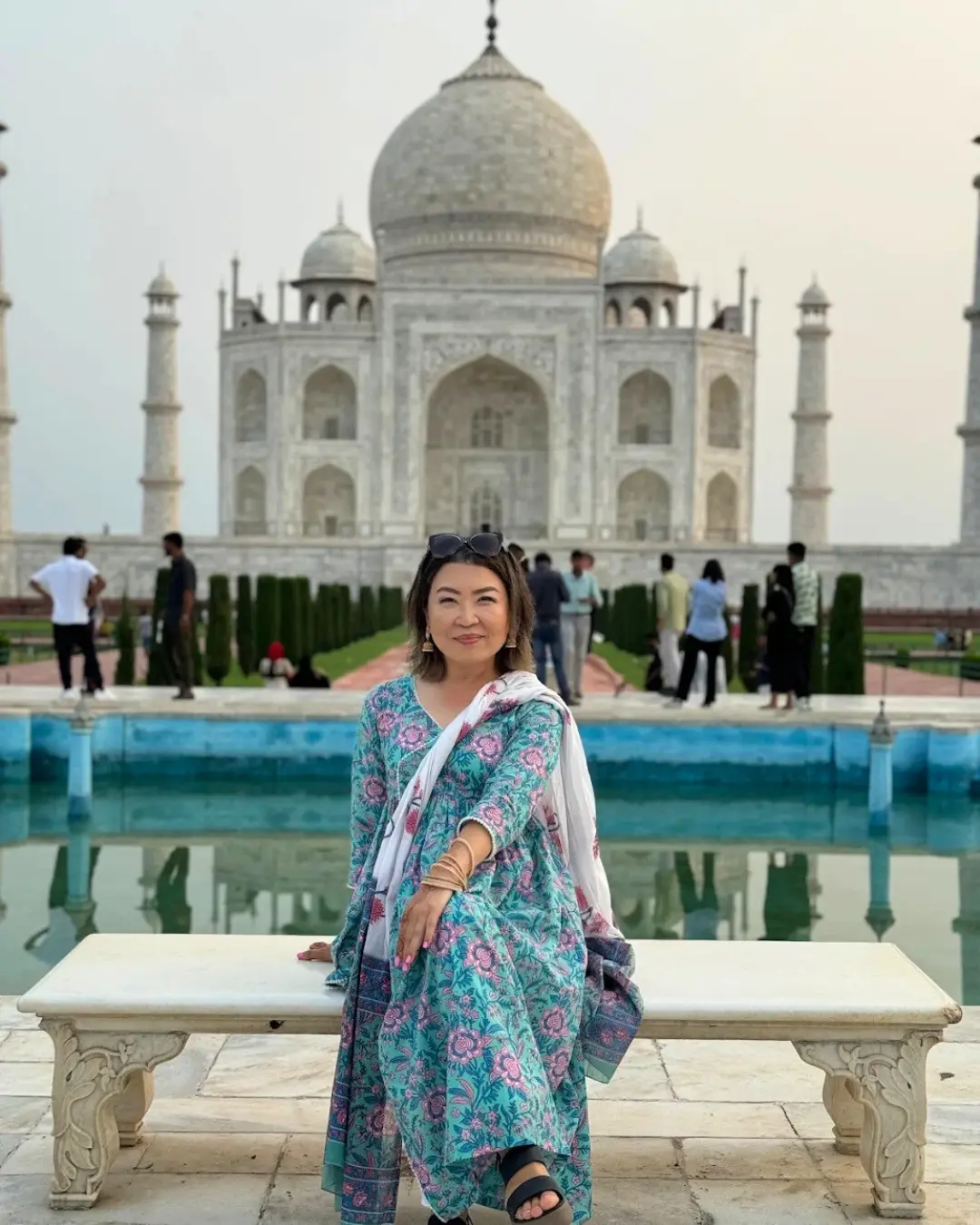
India Through Their Eyes: Stories & Photos from Our Happy Travelers

Where would you like to go?

FAQ

Most frequent questions and answers

The most comfortable and tourist-friendly period for US visitors is October to March, when the weather across most of India is cooler, drier, and ideal for sightseeing. Winter months offer the best visibility, lower humidity, and pleasant temperatures ranging from 50°F to 80°F depending on the region.

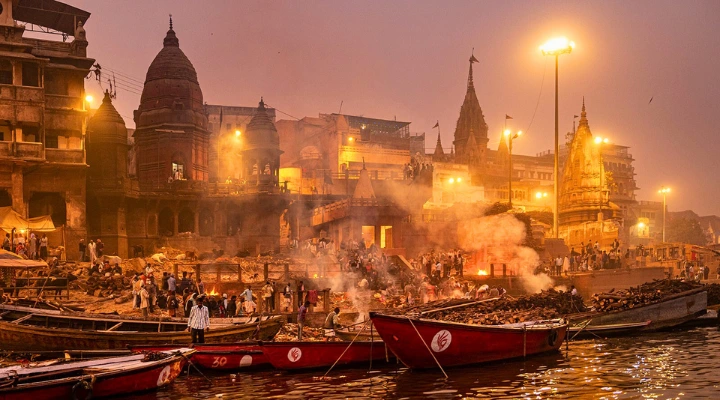
The peak winter window is December to February. This is when North India (Delhi, Jaipur, Agra, Varanasi) stays between 45°F–70°F, while South India (Kerala, Tamil Nadu, Goa) sees 70°F–88°F — perfect for beaches, backwaters, and wildlife.

Summer (April to June) is hot, but certain regions are excellent, especially if you enjoy cooler weather. US tourists can comfortably visit:

  • Himalayas (Himachal, Kashmir, Uttarakhand)
  • Meghalaya & Northeast India
  • Hill stations like Ooty, Munnar, Darjeeling, Shimla, Manali

These areas stay between 55°F–78°F, offering relief from the heat.

The hottest months are May and June, when many cities in North and Central India can exceed 100–110°F. However, hill stations and Himalayan regions stay cool and pleasant during this time.

December–January are India’s coldest months:

  • North India (Delhi, Agra): 45–65°F
  • Rajasthan (Jaipur, Udaipur): 48–70°F
  • Kerala & Goa: 72–88°F
  • Mumbai: 65–88°F

It’s peak tourist season — great for outdoor sightseeing, heritage tours, beaches, and festivals.

Monsoon (June to September) brings heavy rain, especially in Western Ghats, Kerala, and Northeast India. While scenic, it can affect flights, road travel, and visibility.
However, Leh-Ladakh, Rajasthan, and Tamil Nadu remain relatively dry.

For consistently comfortable temperatures, US visitors prefer:

  • Kerala (70–88°F year-round)
  • Goa (mild winters, warm summers)
  • Bangalore (65–85°F almost all year)
  • Shillong & Meghalaya (cool climate year-round)
  • These locations rarely experience extreme cold or extreme heat.

Unlike US winters, India’s winter is mild, especially in South and West India. Snowfall is limited to Himalayan regions only. Most of India remains comfortable without freezing temperatures.

Experience of UK Travelers to India – A Real Golden Triangle Story

Experience of UK Travelers to India – A Real Golden Triangle Story

The experience of UK travelers to India often begins with curiosity — and a few understandable concerns. Recently, we hosted a group of 12 British travelers in their 40s and 50s visiting India for the

India Cultural Intelligence Guide for Foreign Travelers

India Cultural Intelligence Guide for Foreign Travelers

Plan your trip We Guarantee the trip you book with us!! When you choose our India tour packages, you get more than a trip - you get a carefully managed itinerary that makes you feel

Safety in India for US Tourists

Safety in India for US Tourists

Is India safe for U.S. tourists in 2026?Yes. India remains a safe and welcoming country for U.S. visitors — especially in tourist-friendly regions — as long as travelers follow basic global travel precautions. Safety in

India Trip Planning Checklist USA 2026

India Trip Planning Checklist USA 2026

India Trip Planning Checklist 2026 for USA travelers! Covers visas, vaccines, currency rules, packing, flights, culture, safety & more. A complete step-by-step India travel checklist by Travel Connection for seamless planning. 1. Before You Book

North + South India Combo Packages

India Through Their Eyes: Stories & Photos from Our Happy Travelers

Where would you like to go?

Scroll to Top

Plan your trip in 2 steps

Start planning in just 2 steps

Get details of your trip here.