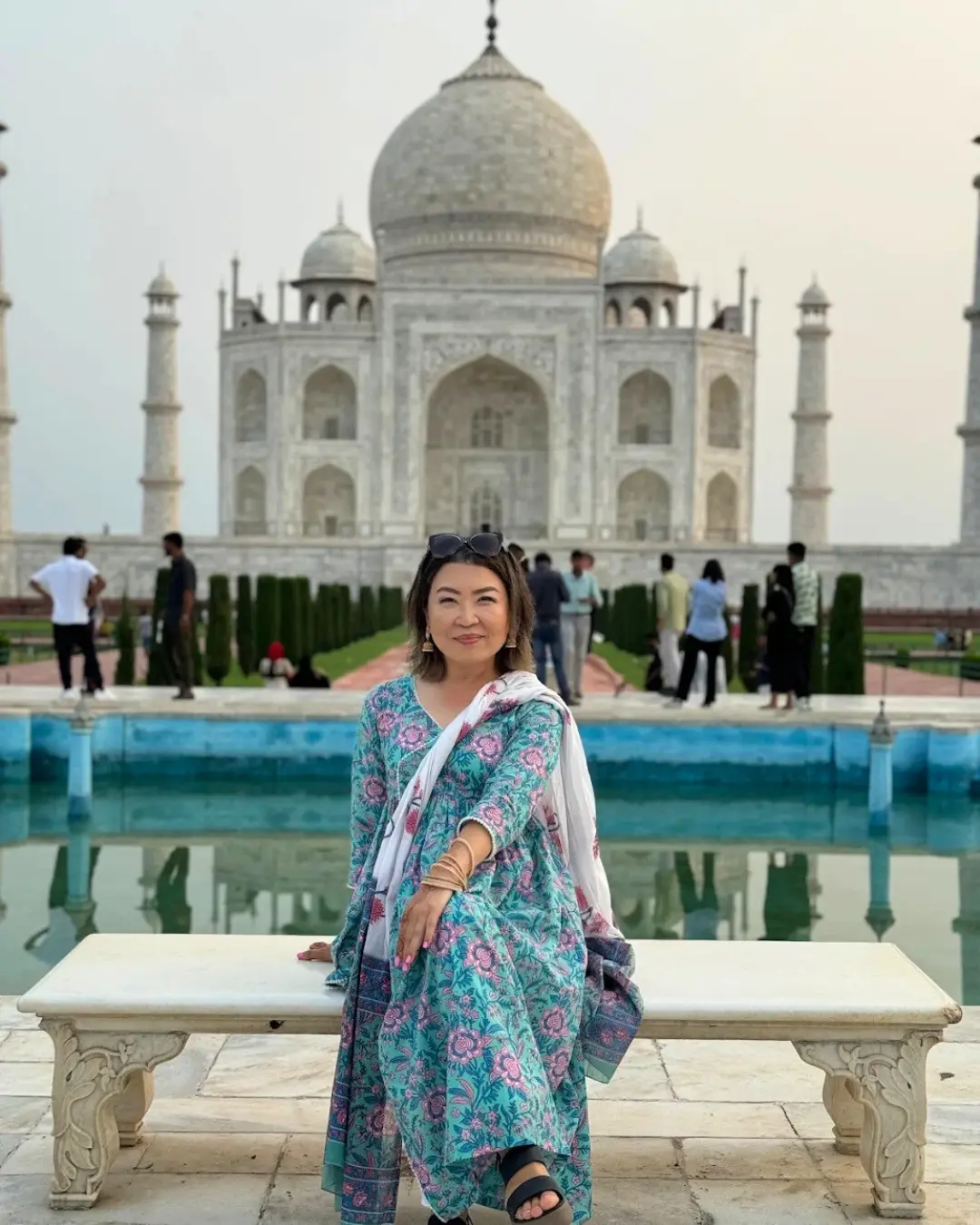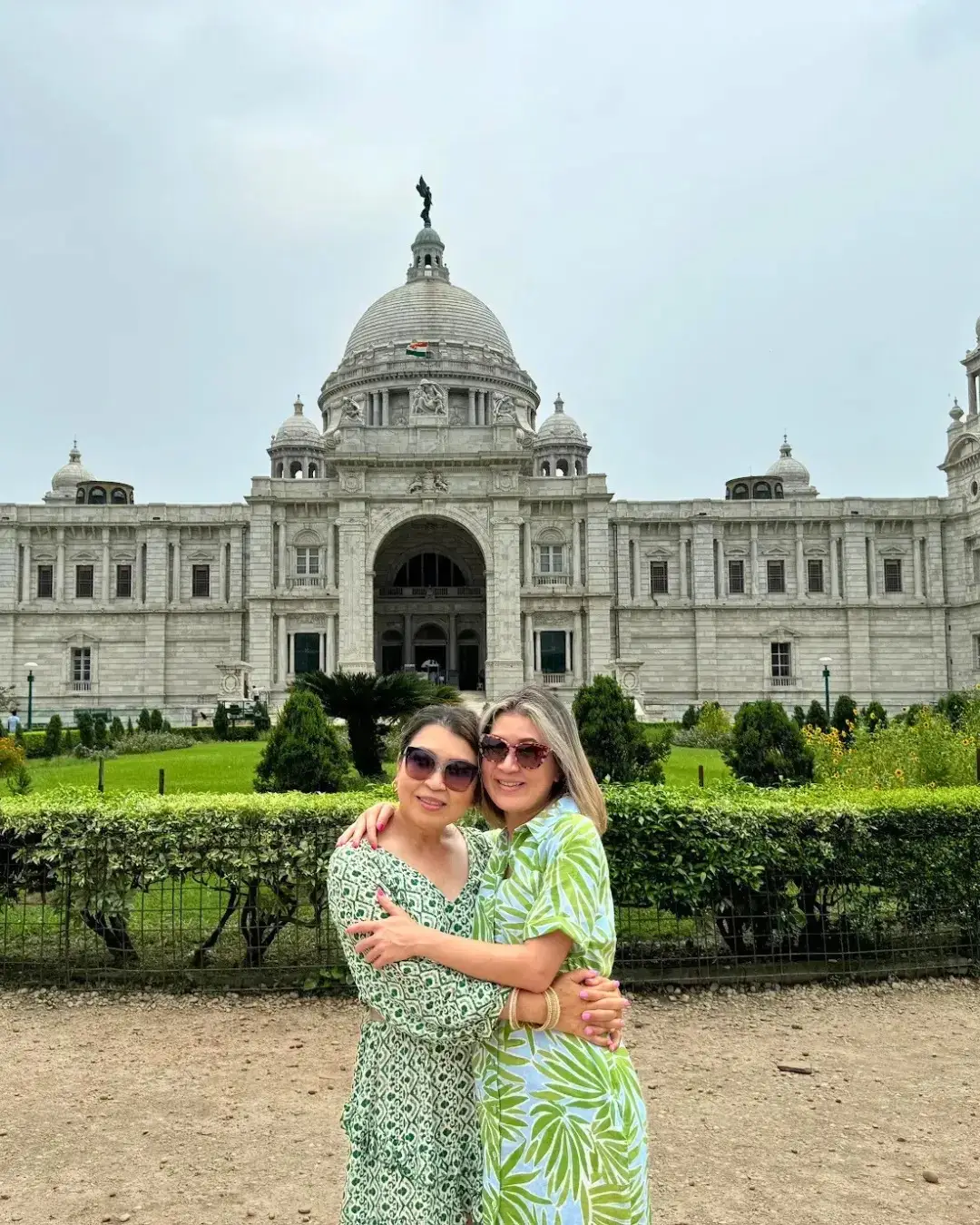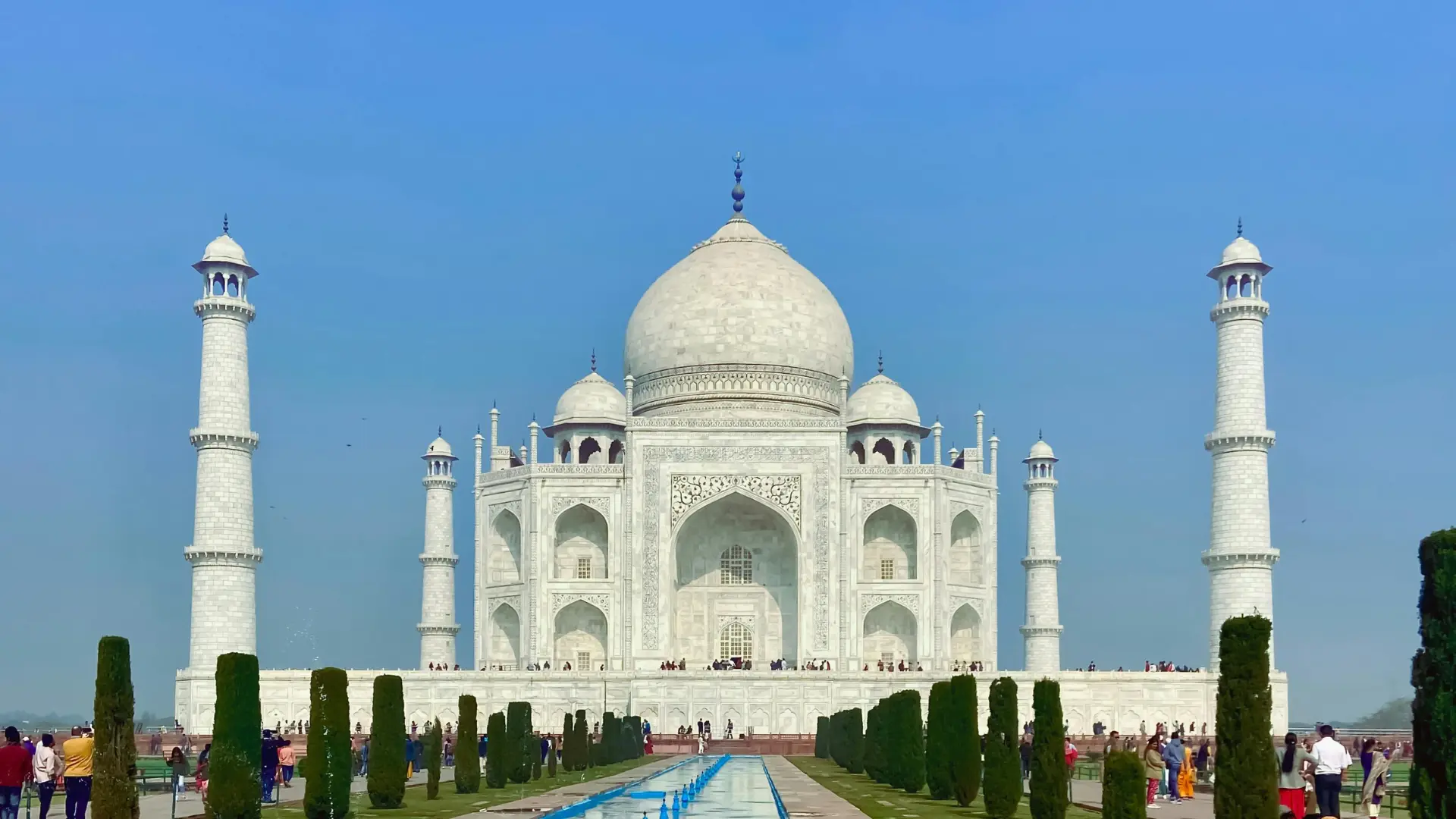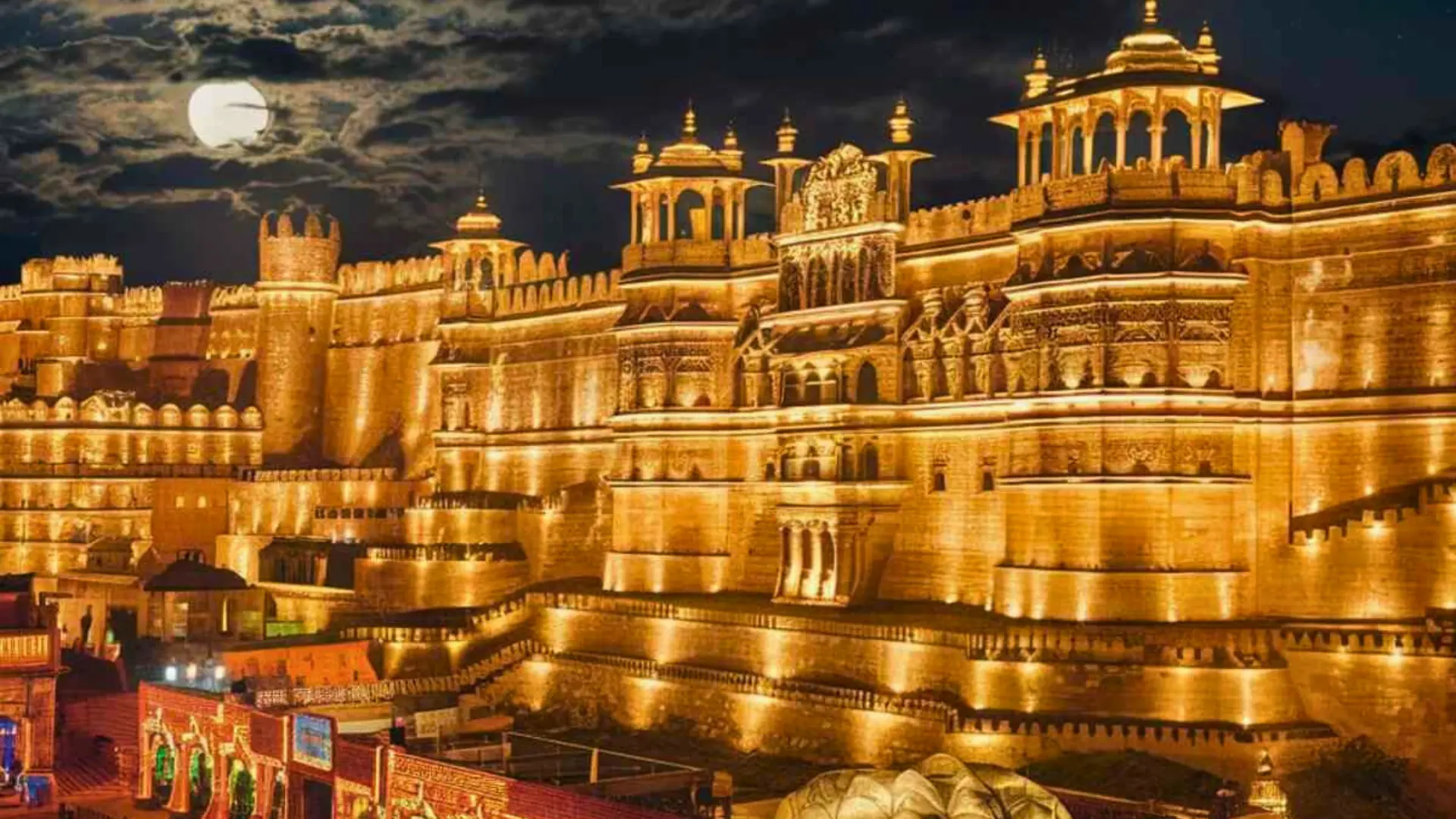

We Guarantee the trip you book with us!!
When you choose our India tour packages, you get more than a trip - you get a carefully managed itinerary that makes you feel secure, safe, and free to enjoy every moment. With 12,000+ journeys crafted, yours could be our next favourite story.
Advanced Understanding for a Confident, Comfortable, and Respectful Journey
India is rarely challenging because of infrastructure or language. It becomes challenging when travelers apply Western cultural logic to a society that operates on a fundamentally different social framework. International travelers who understand this difference often experience India as warm, cooperative, and deeply enriching. Those who do not may feel overwhelmed or fatigued, even when everything appears operationally functional.
India is a high-context culture, where meaning is shaped by relationships, hierarchy, and emotional awareness rather than strict rules or explicit communication. Travelers from the United States, United Kingdom, Canada, and Australia typically come from low-context cultures, where clarity, efficiency, and directness are valued. Understanding this difference is the single most important cultural shift a foreign traveler can make.
Cultural Logic: How India Actually Works
Indian society prioritizes adaptability over rigidity and relationships over procedures. This influences everything from customer service to daily interactions.
- Key realities international travelers should understand:
- Rules exist, but relationships often override them
- Emotional intelligence matters more than logical argument
- Authority and seniority influence decision-making
- Written information is secondary to verbal reassurance
Travelers who align with this logic move through India with significantly less friction.
Social Hierarchy and Authority Dynamics
India has a high respect for hierarchy, which shapes professional and service interactions.
In practical travel situations, this means:
- Staff may hesitate to act independently without confirmation
- People may avoid giving direct refusals
- Decisions are often escalated rather than delegated
- Calm confidence earns faster cooperation than insistence
Foreign travelers who communicate with polite certainty rather than urgency or frustration tend to receive better service and clearer outcomes.
Communication Style: Reading Between the Lines
Communication in India is nuanced and indirect by Western standards.
Important patterns to recognize:
- “Yes” often means understanding, not agreement
- Silence may indicate hesitation or discomfort
- Avoidance is preferred over confrontation
- Tone often matters more than words
To improve clarity:
- Ask open-ended questions instead of yes/no questions
- Request explanations rather than confirmations
- Observe follow-through, not just verbal agreement
This approach dramatically reduces misunderstandings.
Time, Scheduling, and Travel Pace
Time in India is flexible rather than rigid. This cultural approach prioritizes people and circumstances over punctuality.
What this means for travelers:
- Delays are common and normalized
- Buffer time is essential in itineraries
- Rigid schedules increase stress
- Flexibility leads to smoother experiences
Well-designed itineraries focus on fewer destinations with deeper engagement rather than rushed multi-city schedules.
Negotiation and Pricing Psychology
Bargaining in India is often misunderstood. It is not a competitive battle, but a social exchange.
Key negotiation principles:
- Tone matters more than price
- Aggression reduces cooperation
- Calm engagement builds goodwill
- Walking away politely often resets discussions
Equally important is knowing where not to negotiate:
- Hotels and resorts
- Pre-arranged transport
- Restaurants
- Medical and safety-related services
Attempting to bargain in formal settings can undermine trust.
Religion, Spirituality, and Sacred Spaces
Religion is deeply integrated into everyday life in India.
Travelers should remember:
- Sacred spaces demand respectful behavior
- Shoes are removed in temples
- Photography may be restricted
- Quiet observation is always appreciated
Visitors are not expected to understand rituals fully, but respect is essential.
Traveling India with Cultural Confidence
At Travel Connection Holidays, cultural intelligence is built into every itinerary. International travelers receive realistic planning, region-aware chauffeurs, pre-arrival cultural briefings, and transparent expectations. This approach prevents avoidable misunderstandings and allows travelers to experience India with confidence rather than caution.
India does not demand perfection from its visitors. It responds to effort, patience, and respect. Travelers who prepare beyond surface-level etiquette discover that India is not chaotic or intimidating, but layered, generous, and deeply human.
For international travelers planning a journey to India, preparation is not about control. It is about clarity. And clarity transforms travel from a checklist into a meaningful experience.
North + South India Combo Packages
10 Days--------Starts $2599
Delhi Agra Jaipur & Kerala Backwaters
Culture & Nature
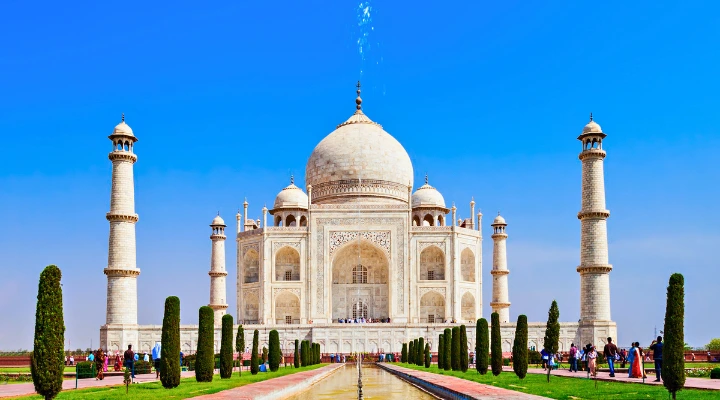
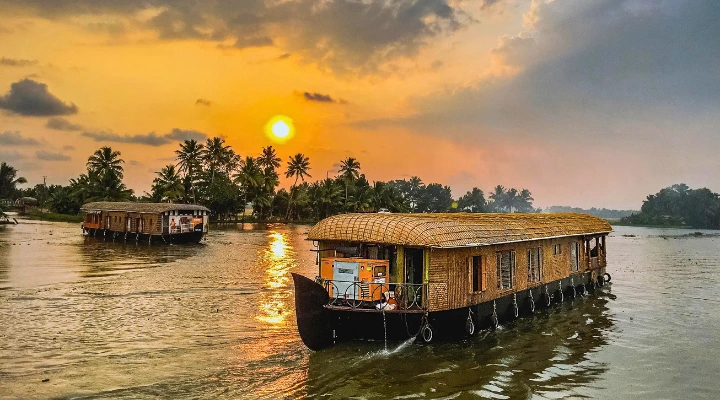
Taj Mahal sunrise, Jaipur forts, Delhi heritage walk, Alleppey houseboat cruise, Munnar tea gardens, Kochi culture, seamless India discovery.
12 Days--------Starts $2999
Royal Rajasthan & Kerala Retreat
Luxury & Heritage
Stay in Rajasthan palaces, Jaipur forts, Udaipur lakes, Kochi heritage, Kerala backwaters, houseboat luxury, curated India journey, royal hospitality.
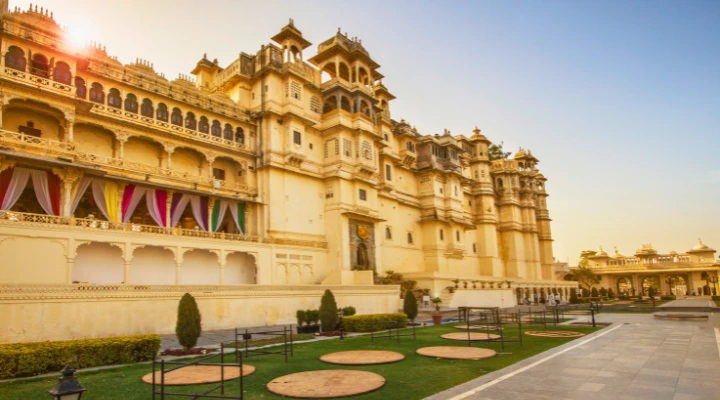
11 Days--------Starts $2799
North India Heritage with Kerala Wellness
Culture & Wellness
Explore Delhi, Agra, Jaipur, then rejuvenate in Kerala Ayurvedic resorts, yoga, spa therapies, holistic healing after cultural immersion
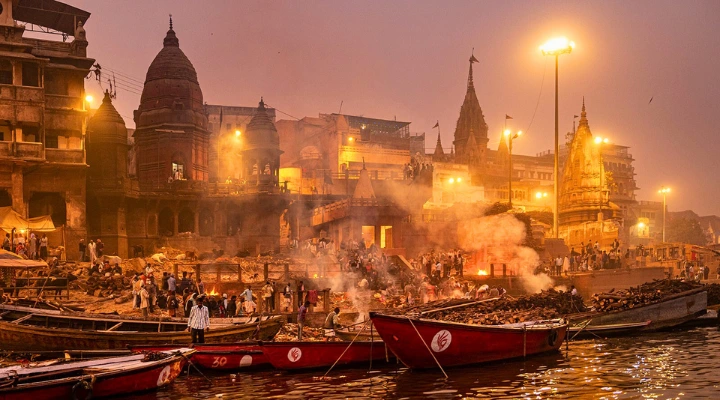
12 Days--------Starts $2999
Spiritual North India with Kerala Bliss
Spiritual & Wellness
Varanasi Ganga Aarti, Delhi Red Fort, Agra Taj Mahal, Kerala backwaters, Ayurveda spa therapies, yoga, deeply spiritual rejuvenation journey. immersion
Why Choose Travel Connection for Your Next Trip?
- 12,000+ Successful Tours – Trusted by over 8,100+ happy travellers
- 4.5-Star Rated Service – Consistently praised for exceptional experiences.
- Zero Hidden Charges – Transparent pricing with no last-minute surprises
- On-Ground Support – Dedicated local assistance during your trip
- Verified Video Reviews – Hear genuine feedback from past travellers
- Customer-First Approach – Our team prioritizes your comfort & satisfaction
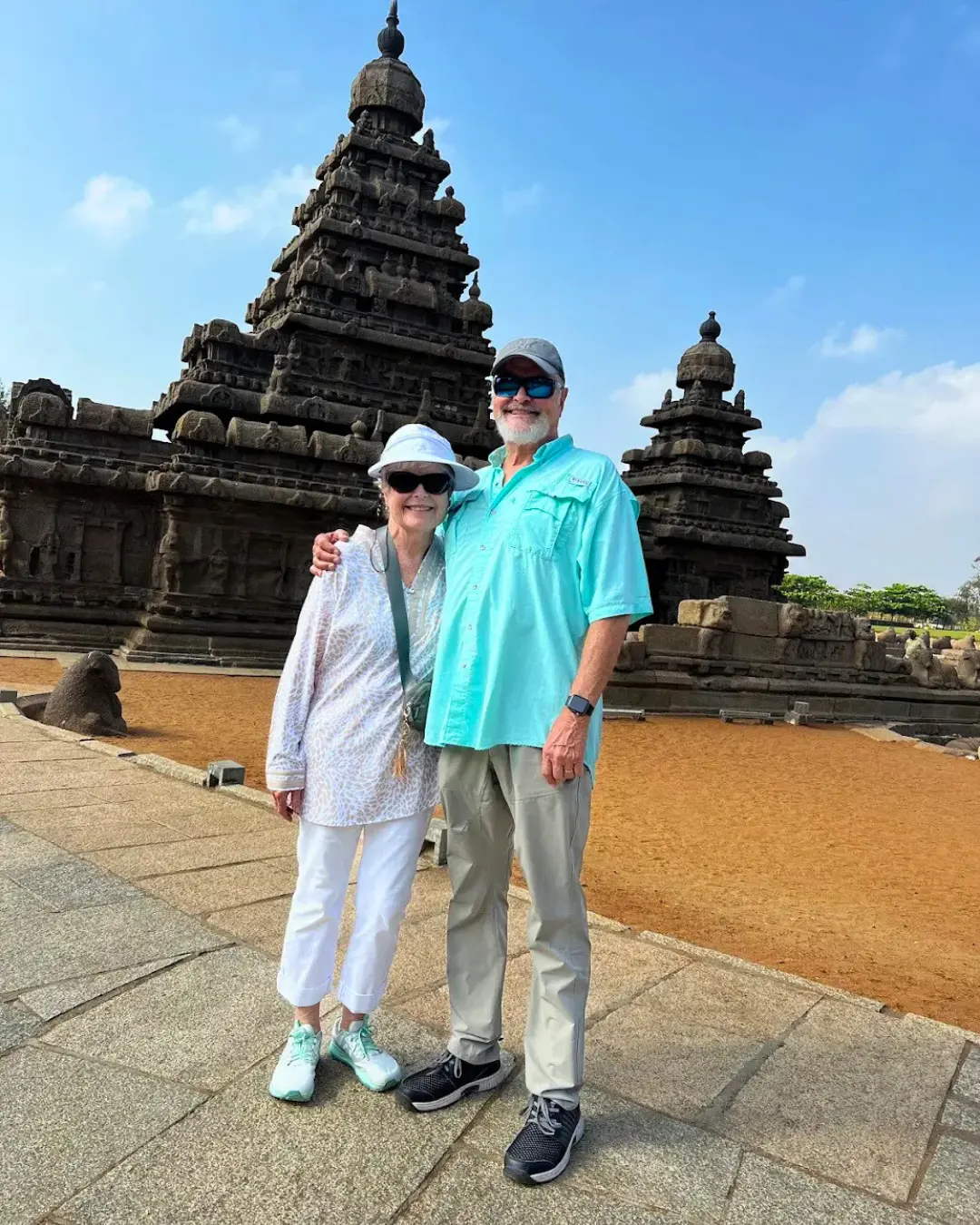
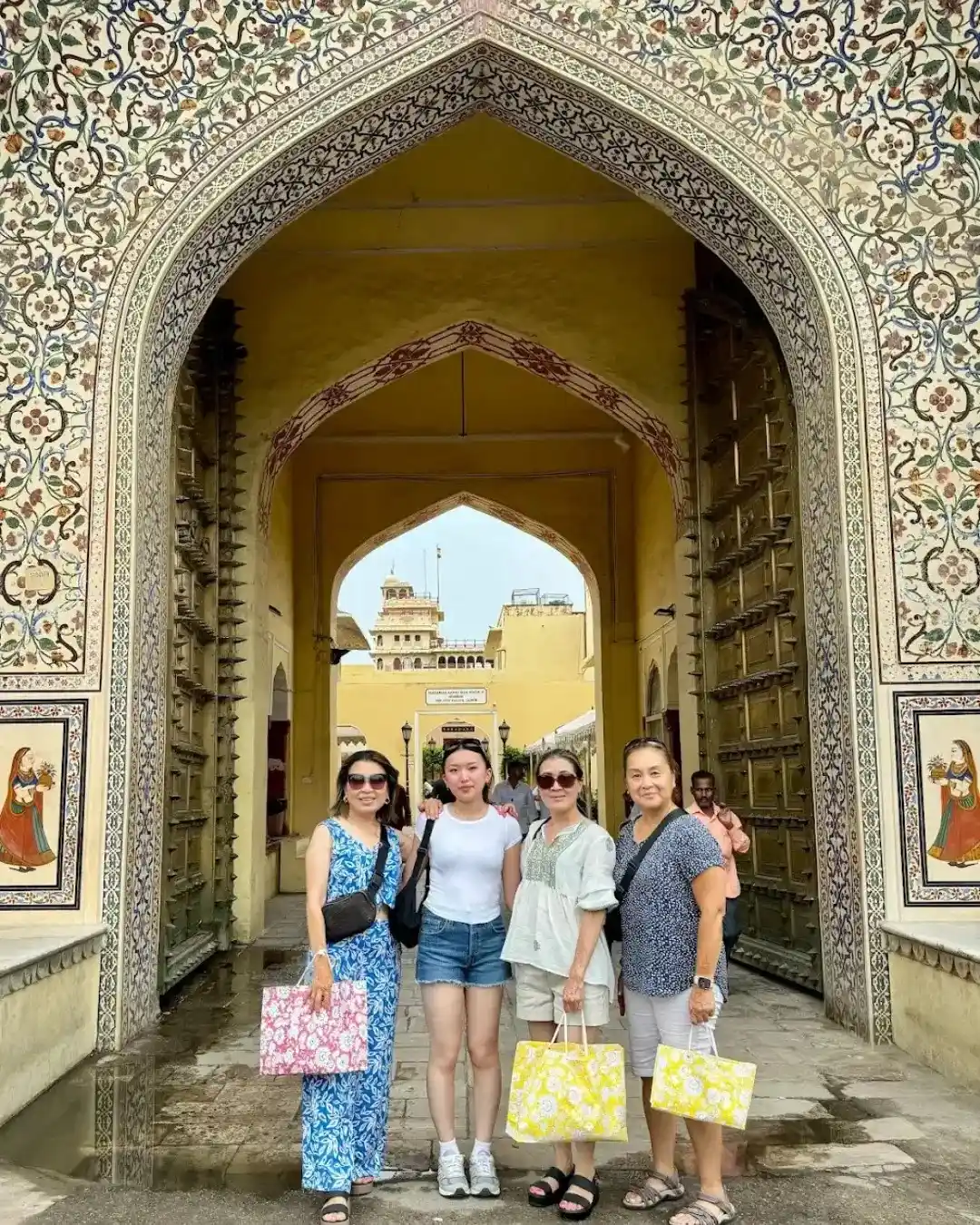
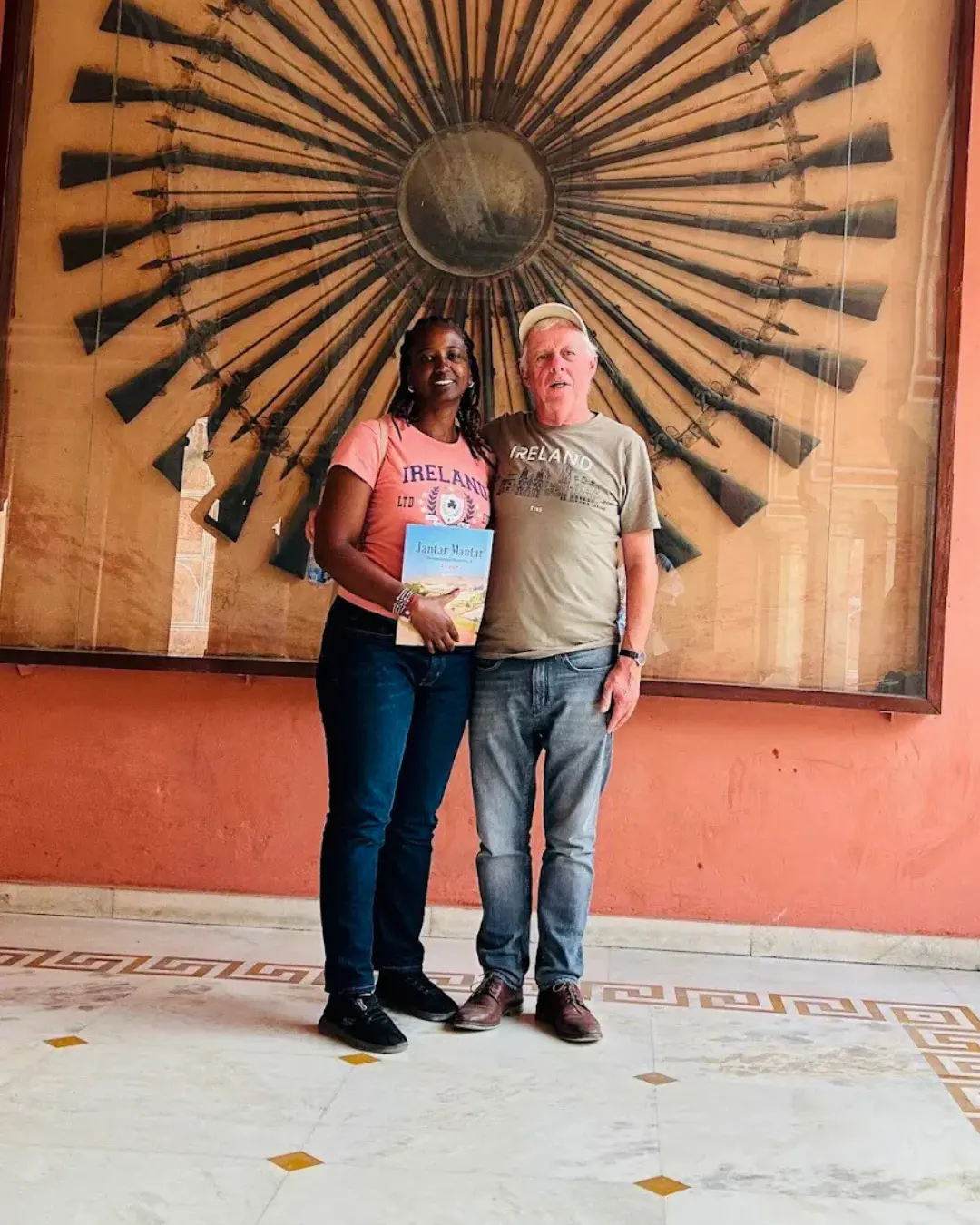
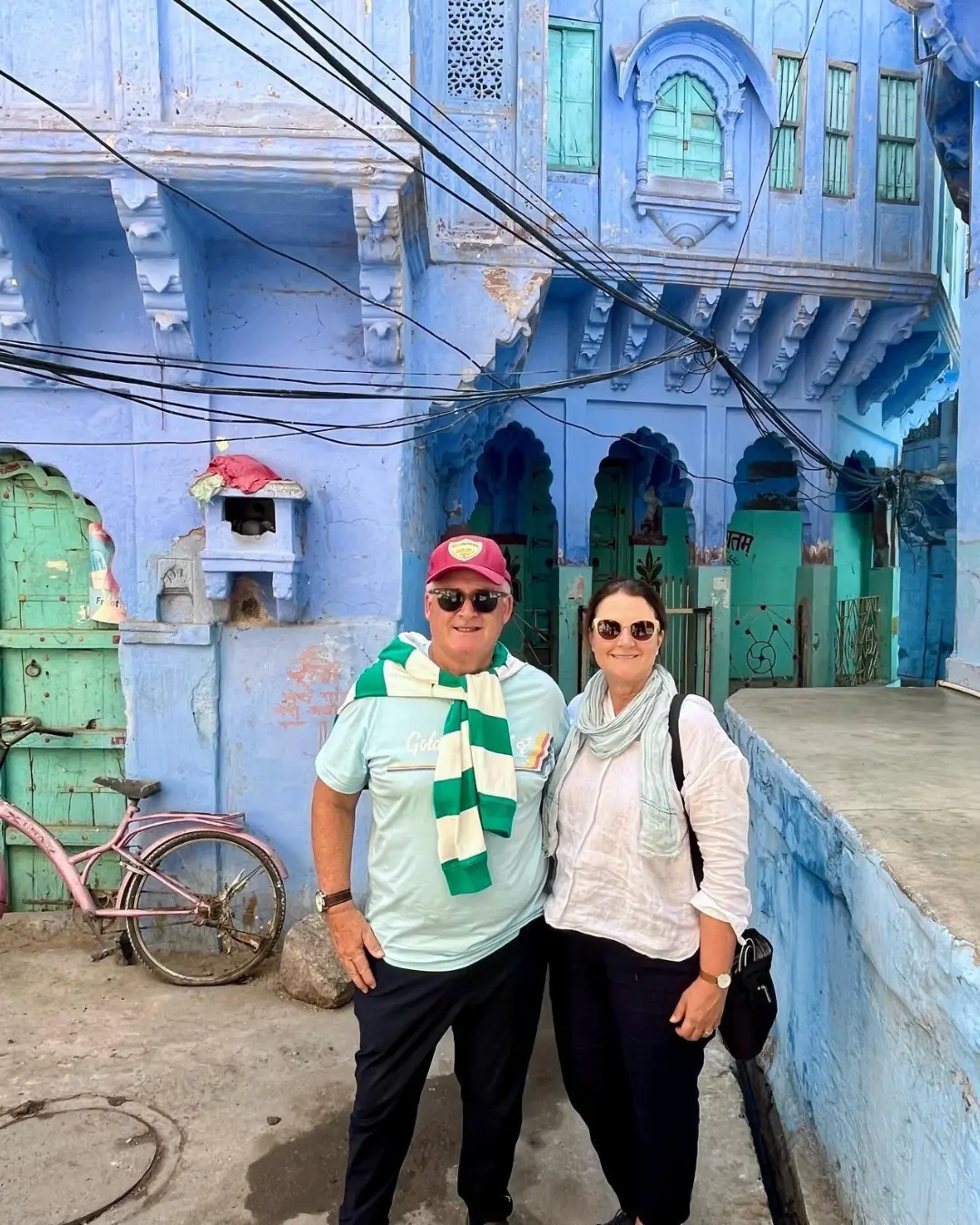
India Through Their Eyes: Stories & Photos from Our Happy Travelers
Where would you like to go?
Followed. Experienced. Loved

4.8★ Rated
Rated 4.8★ with Video Proof

40,000 Travelers
More Than 40,000 Travelers Trust Our Tips & Trips

Expert Support
Tested Routes. Trusted Guidance

6,100+ Travelers Served
6,100+ Travelers Served – And counting!

1100+ Video Reviews
Real stories from happy travelers

Secure Payments
Flexible EMI & Secure Payments
FAQ
Most frequent questions and answers
Is India culturally difficult for first-time foreign travelers?
India is not difficult, but it is culturally different. Travelers who understand communication styles, social norms, and regional differences usually find India welcoming and manageable.
Do foreigners need to strictly follow Indian traditions?
No. Foreigners are not expected to follow traditions perfectly. Showing respect, effort, and cultural awareness matters far more than strict compliance.
Is India safe for international travelers culturally and socially?
Yes. India is generally safe for international travelers, especially when trips are well planned and travelers respect local customs, dress appropriately, and use reliable transport.
Why do people in India avoid saying “no” directly?
In Indian culture, direct refusal can feel impolite or confrontational. People often choose indirect responses to maintain harmony and respect.
What does “yes” usually mean in India?
“Yes” often means “I understand” rather than full agreement. Travelers should look for follow-through or ask clarifying questions for confirmation.
How important is hierarchy in Indian society?
Hierarchy plays a significant role. Age, role, and authority influence decision-making, especially in hotels, transport services, and official settings.
Should foreigners bargain in India?
Bargaining is acceptable in local markets but not in formal settings such as hotels, restaurants, or pre-arranged transport services.
Are cultural norms the same across all of India?
No. Cultural behavior varies significantly by region, language, religion, and local traditions. Each state feels culturally distinct.
Can foreigners photograph people and religious places freely?
Photography should always be done with permission, especially in temples, villages, and when photographing individuals.
Are festivals a good time to visit India?
Festivals are culturally rich but can be logistically challenging due to crowds, transport delays, and hotel shortages. Planning is essential.
Why do locals sometimes seem overly helpful or curious?
Curiosity toward foreigners is common and usually friendly. However, travelers should be cautious of unsolicited offers that feel pressured.
Why is guided or well-planned travel recommended for India?
India rewards preparation. Cultural guidance reduces stress, prevents avoidable mistakes, and allows travelers to enjoy the experience more deeply.